September 21, 2026
A small backyard does not have to feel limited when the landscape is designed around how the space will actually be used. Thoughtful hardscaping can define outdoor rooms, improve movement, create gathering areas, and add visual structure without overwhelming the property. For compact yards, every surface and transition matters, making guidance from hardscaping contractors especially valuable. With the right combination of scale, materials, planting, and layout, even a modest backyard can become a functional outdoor setting with plenty of character.
Maximize Space With Purposeful Layouts
In a small backyard, a successful layout begins with deciding which functions matter most. Instead of trying to fit every possible feature into the property, hardscaping contractors can organize the available area around priorities such as dining, entertaining, circulation, or relaxation. A compact patio can serve several purposes when its proportions are carefully planned and furniture placement is considered from the beginning. Clear connections between the home, patio, lawn, garden beds, and walkways can also make the yard feel more open.
The placement of hardscape features can influence how large the yard appears. Long lines can draw the eye toward the far end of a property, while thoughtfully positioned paving can establish depth and direction. Curved transitions may soften a narrow layout, while geometric designs can complement modern architecture and create a more organized appearance.
Choose Scaled Features for Smaller Yards
Scale is one of the most important considerations when adding hardscape to a compact backyard. Oversized patios, retaining walls, or structures can quickly dominate the available space and leave little room for planting or movement. Hardscaping contractors can help select dimensions that provide useful surfaces while maintaining visual balance between built and natural elements. Small features can also have more than one purpose, allowing the landscape to accomplish more without adding unnecessary structures.
A compact seating area, for example, can be designed as an extension of an existing patio rather than as a separate destination. Narrow pathways can connect important areas without consuming excessive square footage, and low walls can provide seating or define planting zones. Vertical elements such as pergolas, privacy screens, or carefully positioned walls can add dimension without requiring a large footprint.
Create Flexible Outdoor Living Areas
Small yards benefit from spaces designed for multiple activities rather than dedicated areas for every use. A well-planned patio might provide room for morning coffee, outdoor meals, casual gatherings, or quiet evenings without needing separate zones for each activity. Hardscaping contractors can integrate seating edges, defined transitions, and appropriately sized surfaces to make one area adaptable throughout the day.
Furniture placement should also be considered as part of the overall landscape design. Circulation paths need enough room to remain comfortable, while seating should not block doors or important portions of the yard. Built-in elements can sometimes reduce the visual clutter created by multiple freestanding pieces. Coordinating the hardscape and intended furnishings together can make the finished space feel more spacious and easier to use.
Add Depth With Vertical Elements
When horizontal space is limited, vertical design can create visual interest without taking over the yard. Privacy walls, decorative screens, raised planters, pergolas, and other structures can draw attention upward and make a compact property feel more dimensional. Hardscaping contractors can incorporate these features into the overall layout so they complement rather than compete with patios, paths, and planting areas. Vertical elements can also provide useful separation between activity zones without requiring large boundaries.
Height can be especially effective when the backyard lacks a strong focal point. A pergola over a small seating area, a textured wall behind a planting bed, or a carefully positioned feature can give the eye a destination. The key is to maintain proportion so the feature feels integrated with the home and surrounding landscape. Combining vertical structure with plants can further soften the appearance of hard materials.
Balance Hardscape With Greenery
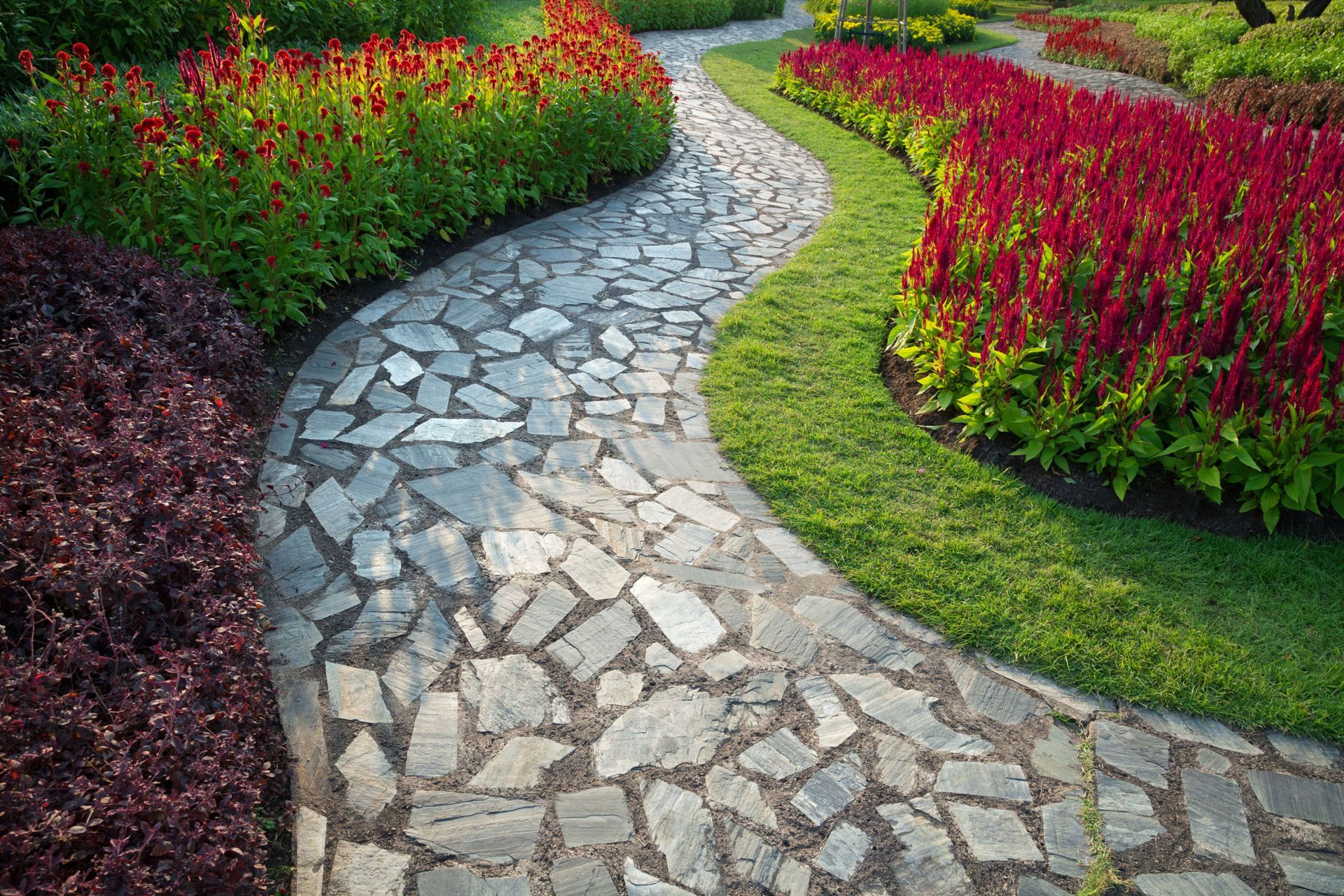
Hardscape should support the landscape rather than replace every natural element in a small backyard. Greenery can soften edges, introduce seasonal color, and create contrast against stone, concrete, brick, or other hard materials. Hardscaping contractors can coordinate planting areas with patios and walkways so the yard retains openness while still providing useful outdoor surfaces. Even narrow planting beds can contribute texture and help connect separate portions of the design.
Balance also matters from a practical perspective. According to Bob Vila, municipalities commonly limit the portion of a property covered by driveways, walkways, structures, gravel, pavers, and similar hardscape elements to roughly 15% to 30% of the total lot area, although the percentage varies by town. This illustrates why compact landscape planning should consider the overall amount of hardscape rather than focusing only on individual features. Maintaining space for planting and natural surfaces can support a more comfortable, visually balanced backyard.
Use Materials to Expand Visual Space
Material selection can change how a small backyard feels. Large-format pavers may create fewer visual breaks across a patio, while consistent materials used between connected areas can make the landscape appear more continuous. Hardscaping contractors can help coordinate colors, textures, patterns, and transitions so materials complement the architecture without making the yard feel visually busy. Repeating a material in a walkway, patio border, or low wall can also create cohesion.
Pattern direction can influence perception as well. A carefully selected layout may guide the eye along the length or width of the yard, helping emphasize the property's strongest dimensions. Too many contrasting patterns, however, can make a compact space appear fragmented.
Incorporate Functional Features Efficiently
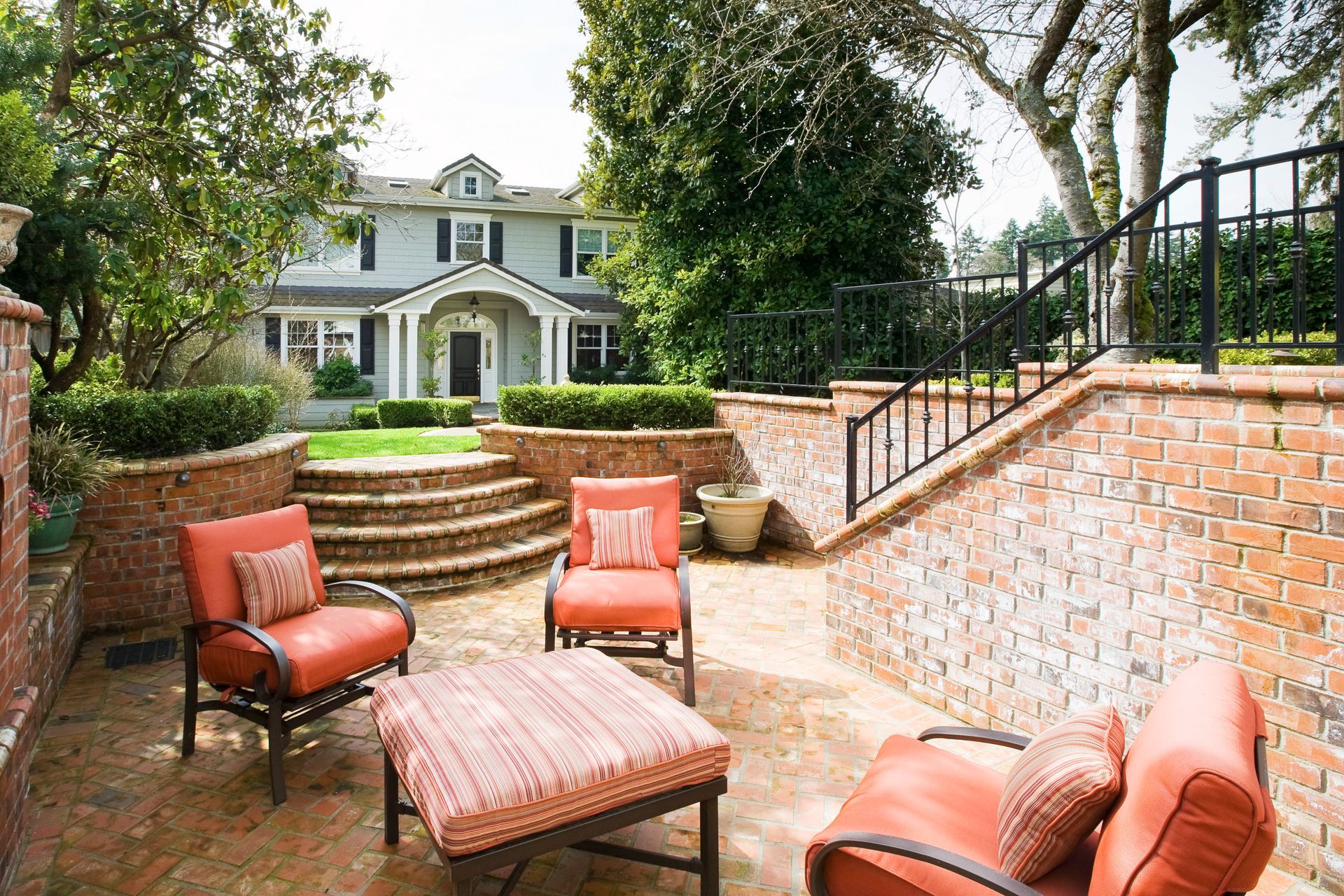
Compact yards often benefit from features that solve more than one design need. A low retaining wall may provide structural support while also defining a planting bed or creating informal seating. A raised patio can establish an outdoor living area while helping address changes in elevation. Hardscaping contractors can evaluate how individual features can contribute to both function and appearance instead of adding elements that serve only one purpose.
Drainage should also be part of the planning process, particularly where hard surfaces will change how water moves across the property. Surface grades, material selection, and transitions between paved and planted areas can influence runoff. Addressing these considerations during design can help the finished landscape work with existing site conditions. A functional backyard should look intentional while also supporting practical use and appropriate water management.
Plan Your Backyard With Professional Guidance
Creating a functional hardscape in a tight backyard requires attention to proportions, circulation, materials, drainage, planting, and the way each feature relates to the others. Professional planning can help identify opportunities that may be overlooked when the focus is limited to individual additions.
Hardscaping contractors can develop a cohesive approach that works with the property's existing dimensions and supports the homeowner's intended use. This can make the difference between a yard that feels crowded and one that feels thoughtfully designed.
For homeowners considering a patio, walkway, retaining feature, outdoor living area, or another hardscape improvement, the planning stage is an opportunity to make every square foot count. A compact property does not need a large number of features to become more useful or attractive. It needs the right features in the right locations, supported by a design that balances hardscape with the surrounding landscape.
At Lawn Boss Landscaping LLC, we can help you make the most of a small backyard through thoughtful hardscape planning and professional landscape services. We work with the dimensions, existing features, and intended use of your property to develop outdoor spaces that feel functional, balanced, and inviting. Our team can help you explore practical ways to incorporate patios, pathways, retaining features, seating areas, and other landscape elements without overwhelming a compact yard. Contact Lawn Boss Landscaping LLC to discuss your backyard goals and begin planning a space with greater function and lasting visual appeal.